Category: Africa

  • Poverty in the U.S

    Poverty in the U.S

    WASHINGTON (AP) — Four out of 5 U.S. adults struggle with joblessness, near poverty or reliance on welfare for at least parts of their lives, a sign of deteriorating economic security and an elusive American dream.

    Survey data exclusive to The Associated Press points to an increasingly globalized U.S. economy, the widening gap between rich and poor and loss of good-paying manufacturing jobs as reasons for the trend.

    The findings come as President Barack Obama tries to renew his administration’s emphasis on the economy, saying in recent speeches that his highest priority is to “rebuild ladders of opportunity” and reverse income inequality.

    Hardship is particularly on the rise among whites, based on several measures. Pessimism among that racial group about their families’ economic futures has climbed to the highest point since at least 1987. In the most recent AP-GfK poll, 63 percent of whites called the economy “poor.”

    “I think it’s going to get worse,” said Irene Salyers, 52, of Buchanan County, Va., a declining coal region in Appalachia. Married and divorced three times, Salyers now helps run a fruit and vegetable stand with her boyfriend, but it doesn’t generate much income. They live mostly off government disability checks.

    “If you do try to go apply for a job, they’re not hiring people, and they’re not paying that much to even go to work,” she said. Children, she said, have “nothing better to do than to get on drugs.”

    While racial and ethnic minorities are more likely to live in poverty, race disparities in the poverty rate have narrowed substantially since the 1970s, census data show. Economic insecurity among whites also is more pervasive than is shown in government data, engulfing more than 76 percent of white adults by the time they turn 60, according to a new economic gauge being published next year by the Oxford University Press.

    The gauge defines “economic insecurity” as experiencing unemployment at some point in their working lives, or a year or more of reliance on government aid such as food stamps or income below 150 percent of the poverty line. Measured across all races, the risk of economic insecurity rises to 79 percent.

    “It’s time that America comes to understand that many of the nation’s biggest disparities, from education and life expectancy to poverty, are increasingly due to economic class position,” said William Julius Wilson, a Harvard professor who specializes in race and poverty.

    He noted that despite continuing economic difficulties, minorities have more optimism about the future after Obama’s election, while struggling whites do not.

    “There is the real possibility that white alienation will increase if steps are not taken to highlight and address inequality on a broad front,” Wilson said.

    ___

    Sometimes termed “the invisible poor” by demographers, lower-income whites are generally dispersed in suburbs as well as small rural towns, where more than 60 percent of the poor are white. Concentrated in Appalachia in the East, they are also numerous in the industrial Midwest and spread across America’s heartland, from Missouri, Arkansas and Oklahoma up through the Great Plains.

    More than 19 million whites fall below the poverty line of $23,021 for a family of four, accounting for more than 41 percent of the nation’s destitute, nearly double the number of poor blacks.

    Still, while census figures provide an official measure of poverty, they’re only a temporary snapshot. The numbers don’t capture the makeup of those who cycle in and out of poverty at different points in their lives. They may be suburbanites, for example, or the working poor or the laid off.

    In 2011 that snapshot showed 12.6 percent of adults in their prime working-age years of 25-60 lived in poverty. But measured in terms of a person’s lifetime risk, a much higher number — 4 in 10 adults — falls into poverty for at least a year of their lives.

    The risks of poverty also have been increasing in recent decades, particularly among people ages 35-55, coinciding with widening income inequality. For instance, people ages 35-45 had a 17 percent risk of encountering poverty during the 1969-1989 time period; that risk increased to 23 percent during the 1989-2009 period. For those ages 45-55, the risk of poverty jumped from 11.8 percent to 17.7 percent.

    By race, nonwhites still have a higher risk of being economically insecure, at 90 percent. But compared with the official poverty rate, some of the biggest jumps under the newer measure are among whites, with more than 76 percent enduring periods of joblessness, life on welfare or near-poverty.

    By 2030, based on the current trend of widening income inequality, close to 85 percent of all working-age adults in the U.S. will experience bouts of economic insecurity.

    “Poverty is no longer an issue of ‘them’, it’s an issue of ‘us’,” says Mark Rank, a professor at Washington University in St. Louis who calculated the numbers. “Only when poverty is thought of as a mainstream event, rather than a fringe experience that just affects blacks and Hispanics, can we really begin to build broader support for programs that lift people in need.”

    Rank’s analysis is supplemented with figures provided by Tom Hirschl, a professor at Cornell University; John Iceland, a sociology professor at Penn State University; the University of New Hampshire’s Carsey Institute; the Census Bureau; and the Population Reference Bureau.

    Among the findings:

    For the first time since 1975, the number of white single-mother households who were living in poverty with children surpassed or equaled black ones in the past decade, spurred by job losses and faster rates of out-of-wedlock births among whites. White single-mother families in poverty stood at nearly 1.5 million in 2011, comparable to the number for blacks. Hispanic single-mother families in poverty trailed at 1.2 million.

    —The share of children living in high-poverty neighborhoods — those with poverty rates of 30 percent or more — has increased to 1 in 10, putting them at higher risk of teen pregnancy or dropping out of school. Non-Hispanic whites accounted for 17 percent of the child population in such neighborhoods, up from 13 percent in 2000, even though the overall proportion of white children in the U.S. has been declining.

    The share of black children in high-poverty neighborhoods dropped sharply, from 43 percent to 37 percent, while the share of Latino children ticked higher, from 38 to 39 percent.

    ___

    Going back to the 1980s, never have whites been so pessimistic about their futures, according to the General Social Survey, which is conducted by NORC at the University of Chicago. Just 45 percent say their family will have a good chance of improving their economic position based on the way things are in America.

    The divide is especially evident among those whites who self-identify as working class: 49 percent say they think their children will do better than them, compared with 67 percent of non-whites who consider themselves working class.

    In November, Obama won the votes of just 36 percent of those noncollege whites, the worst performance of any Democratic nominee among that group since 1984.

    Some Democratic analysts have urged renewed efforts to bring working-class whites into the political fold, calling them a potential “decisive swing voter group” if minority and youth turnout level off in future elections.

    “They don’t trust big government, but it doesn’t mean they want no government,” says Republican pollster Ed Goeas, who agrees that working-class whites will remain an important electoral group. “They feel that politicians are giving attention to other people and not them.”

    ___

    AP Director of Polling Jennifer Agiesta, News Survey Specialist Dennis Junius and AP writer Debra McCown in Buchanan County, Va., contributed to this report.

  • Crisis In The Slum

    Crisis In The Slum


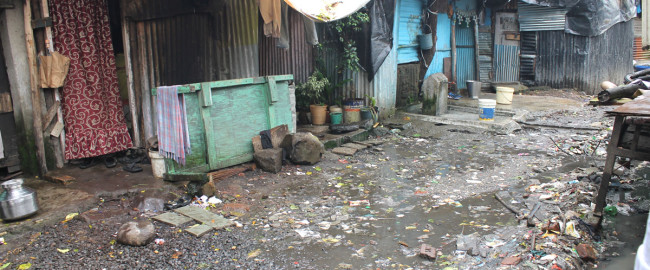
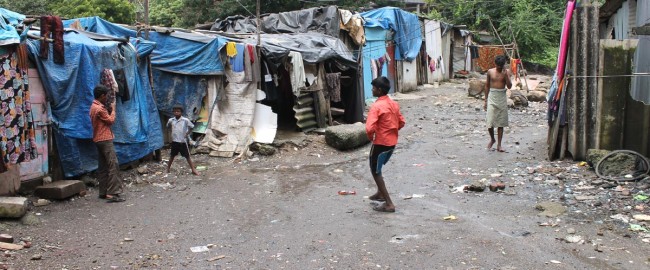
    Multi millions live in the most dire of conditions in the slums of Africa, India and Asia. I am stunned that anyone survives the severity of what I have seen and experienced.   Children are the most vulnerable.  They are starving, tortured, assaulted and refused security from most corrupt police forces. Alcoholism and glue sniffing are two crippling problems of slum life. They are cheap to buy and numbs the pain of hunger. It is for this reason that many residents opt to buy alcohol instead. In Africa and South America and most city streets glue sniffers are prevelent.  Thankfully, this problem is not rife in children; however they often face the knock on effect of alcohol such as abuse.

    Health
    Sickness and disease is rife in slum living while infection spreads quickly.  and proves fatal in the case of the young and weak. The main illnesses to affect slum life include measles, conjunctivitis, colds and flu and headlice. Misinformed adults readily give children in the slums tobacco to chew which can lead to under lying health problems.

    With a strong belief in India’s native medical practice of ayurveda, many traditional people of the slums will refuse to go to doctors or hospitals and instead will take a visit to the village ayurvedic doctor. These ayurvedic doctors believe using the five elements that make up the universe including the human body, earth, fire, water, air and ether, can cure illnesses. Unfortunately this does not compare to modern medicine and many slum people suffer and even die as a result of the care.

    Education

    Children living in the slums have little or no education as they are not known to the Government as Goan. The local schools will not accept these children and they have to rely on outside charities and organizations to help school them. Any child from the slums who is accepted into school will often choose to work for money instead of attending.


  • Hopelessness for Slum Children

    Hopelessness for Slum Children

    Slums are hell on earth for children. It is a life in and out of garbage dumps, no place to sleep except in ditches or makeshift shanties, high mortality rates, absentee parents, no adult supervision, small children taking care of toddler siblings, gang wars, epidemic outbreaks, missing infrastructure, violence, and the law of “survival of the fittest.” These little ones have no chance in life really. It is depressing to even think about.  They are often nothing more than cheap labor workers, or exploited by gangs and forced into child labor. The daily lives of slum children are defined by drugs and alcohol as well as sexual abuse while serious health problems dominate their daily life.  The communities they live in don’t have paved roads or sewage systems, little or no water or electricity and the conditions severe for even an adult to live in? Why has the war on poverty not been successful for these future generations? It’s time to think straight and shoot straight for once.

  • Top 5 Slums in the World

    Top 5 Slums in the World

    The 7th billionth person on planet Earth was born about one month ago.  A staggering number to think about, but have you considered that very new human being may have been born in a slum somewhere in the world.  Currently, it is estimated that there are over 200,000 slum communities, shanty towns and “informal settlements” are exploding in the world. Within the next twenty years about one third of all city dwellers will live in slums and grow in size to one billion people.  My vision to help those living in extreme conditions began in the 80’s while working in Asia and visiting City de Soleil in Haiti in 2001 and Kibera slums of Nairobi in 2007.  Vowing to find a way out for children dying in these places, Hidden Choices collaborates with GTSSS today to educate, clothe, house and feed 1,000 children from slums all over India. The program enables students starting in the third grade to obtain quality education, career and leadership training as future change makers for the poor in India.

    The top 5 slums in the world are:

    Neza-Chalco-Itza: the largest slum in the world with roughly four million people growing out of the need for the railroad in the industrial revolution.

    Orangi Town:   Karachi, Pakistan is home to 1.5 million people and still growing after starting only 10 years ago. There are 13 official neighborhoods, each with its own council.

    Dharavi Mumbai, India. After Orangi, the largest slum in Asia. About 1 million people reside on just one square mile of space. In 2011, other Mumbai slums might have surpassed Dharavi in total population, but the figures can only be speculated at this point. What that does mean, though, is that a number of Asia’s largest shanty towns are all in the same city (Notably, Mumbai is the fifth biggest city in the world).

    Khayelitsha: Cape Town, South Africa.  There was a population explosion after apartheid ended and blacks rushed into Cape Town.  The township’s population is incredibly young, with 40 percent of its residents under 19 years old and only about 7 percent over the age of 50.

    Kibera:  Nairobi, Kenya, this slum is the second largest in Africa – with anywhere from 200,000 to 1 million residents. Kibera is often used as the model for the environmental impact of informal settlement.


  • Facts About Poverty

    Facts About Poverty

    Key Facts About Poverty

    • Nutrition
    • Clean Water
    • Sanitation facilities
    • Access to basic healthcare
    • Adequate shelter
    • Education & information

    More than 1 billion children are severely deprived of at least the essential services and goods to SURVIVE, GROW and DEVELOP

    • 9.2 million children die each year
    • 3.3. million babies are born still born

    WHY?

    The poorest of families are unable to obtain basic healthcare for their children.  Most of the countries with weakened healthcare systems are in:

    • Major armed conflict
    • Cannot provide effective child survival strategies crucial to child development and neonatal deaths

    The Solutions

    Death can be avoided with proven, low cost preventative care and treatment.  Scaling up effective health services by providing education services and better trained health workers. Supporting children at risk by:

    • Continuous breastfeeding
    • Vaccinations
    • Adequate nutrition
    • Mosquito nets
    • Key Health Services Needed
    • Antenatal care
    • Skilled attendance @ delivery
    • Postnatal care
    • Child Health
    • Equity of access in health systems

    29,000 – the # of children who die every day from preventable causes

    Hidden Choices is committed to the long term goals of saving lives that are mired in poverty and death.

    According to the World Health Organization in June 2012, the US Government, The Governments of Ethiopia and India signed a pledge to reduce child mortality.  It was the beginning of a world wide effort to save children’s lives; attainable, but not without long term commitment.
    The message in 2012 was this: we have the knowledge and technology today to end preventable deaths of children under 5 child mortality rate to 20 per 1,000 births in every country.

    In 2001, the World Health Organization estimated the leading causes of preventable death of children under 5, most during the 1st month of life,  died from preventable causes attributable to acute respiratory infections, measles, diarrhea, malaria & HIV AIDS.

    According to WHO:

    • Over 1/3 of all child deaths are linked to malnutrition
    • Children in developing countries 10 times more likely to die before age 5
    • 9 million children under 5 die every year
    • 70% of these deaths due to preventable causes
  • Hidden Choices Helps Children In Poverty

    Hidden Choices Helps Children In Poverty

    It is astonishing that 1 in 5 American children live in poverty. Poverty reduction is a major goal and issue for thousands of international organizations such as Hidden Choices. Extreme poverty is a global challenge and can be found in the lowest of classes in developing economies. In 2008, the World Bank estimated that:

    In 2008, an estimated 1.29 billion people were living in absolute poverty

    • 400 million people in India
    • 173 million people in China

    Traveling, living and working abroad for over 30 years has given Rivers Teske, the Founder of Hidden Choices, Inc.,  a unique perspective on the challenge of impoverishment and destitution. Witnessing poverty at the most extreme levels in third world countries she has found:

    massive slums, abject hunger, street children as young as babies and toddlers,: crying & naked, diseased & begging, thousands of orphaned children abandoned by parents, lack of sanitation, horrific living conditions or sleeping in ditches or

    The impetus to start Hidden Choices over 17 years ago was to be a voice. A voice for the tiniest and most vulnerable.  Hidden Choices is making a difference in the lives of children and women. You can make a difference to alleviate poverty for the helpless and those who have no hope.  Make it a passion of yours to change something in our world!  START WITH A CHILD.

  • Hidden Choices & Hope Homes Save Children In Kenya

    Hidden Choices & Hope Homes Save Children In Kenya

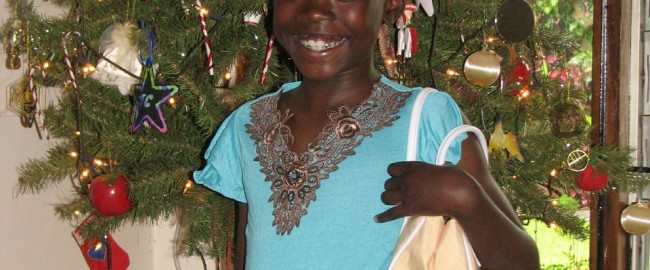
    Brenda at Christmas

    A never ending story…3,000 children living on the streets of a town in Africa. … victimized by the aids epidemic and the Tribal clashes in 2007-8 where they live in deplorable conditions of poverty and hunger, abandonment and fear, discarded like trash in some of the largest slums of the world, left alone in ditches or cardboard shanties to die.

    The heroes…Moira and William Thompson, a passionate couple. Passionate about children – rescuing and saving them. Moira is American and William from New Zealand. Their paths met in Africa and they decided to make a difference for children…to bring life, where there was none.

    The characters…District Children’s Officers humanely sweep through the streets and makeshift cardboard hovels on a regular basis to find the abandoned to get them into Juvenile Corrections Centers. The substandard centers are overflowing, but officials trusting individuals like Moira and William and organizations like, Hidden Choices, who partner with Hope Homes to make a difference and bring hope to as many children as possible. This courageous couple provides loving homes…They never say “orphans or orphanage.” Their goal is to provide an atmosphere of love where children can grow and needs met, emotionally and physically and where they can raise up other couples and individuals like themselves to meet the great demand.

    The Place…El Doret Farm. 26 children housed with surrogate Kenyan parents receiving proper nutrition, medical care and given a good education.

    The Solution

    Building Projects.

    • Four 1,600 sq ft. homes – houses 12 children ea. – $38,000
    • One 120sq ft laundry room
    • 2,300 sq. ft. industrial kitchen center – $80,000 (Includes a bakery center for training – Seating for 70 pp)

    Farming Projects

    • Expanding chicken & tilapia farm for meat & eggs
    • Increasing milking goats for lactose free babies @ the Central rescue center

    HOW YOU CAN HELP!

    SPONSOR A CHILD $20 month

    $$$ BUY Furniture for the children

    BUNKBED…………………………………………$150
    SOFA……………………………………………….$80
    DINING TABLE/CHAIRS……………………..$380
    WASHING MACHINE………………………….$300

    For the person who has everything…for the child who needs milk & eggs

    $$$$ Buy a goat or chicken today……….$35

    Judah & Brenda

    Judah’s Story

    Judah came to Hope Homes @ 4 months old. The Thompson’s were expecting a little girl and shocked when the children’s official pulled the blanket back. He had no name. The only bit of history the slum people could share was that his mother was prostituted out by the age of 12 and that he had a 2 yr. old half sister who lived in a ditch with him. When the police swept through one day Judah was found in a latrine pit. No one knows how long he had been in the deplorable hole. He was malnourished, sick and weighed only 8 lbs @ 4 months old. Today he excels in school and can always be found in the top 3 of his class. Judah’s dream… to be an aeronautical engineer. Hidden Choices is pulling for him to succeed in life! Go Judah…we’re with you.

    Brenda’s Story

    Brenda was only 2 yrs old when she was found in the ditch. Her mother was 13. She had lived there all of her life…24 months. She could not walk and could not swallow without choking. The slum neighbors had kept her alive by throwing her stale bread. Today Brenda struggles emotionally and physically and is mentally challenged, but loves to cook and help “mom Moira around the mission house when new children arrive and leads the singing at night. The best fun during family time at night is beating “dad” William in Phase 10. I think she even beat me, Rivers, one night!